Billy wallson
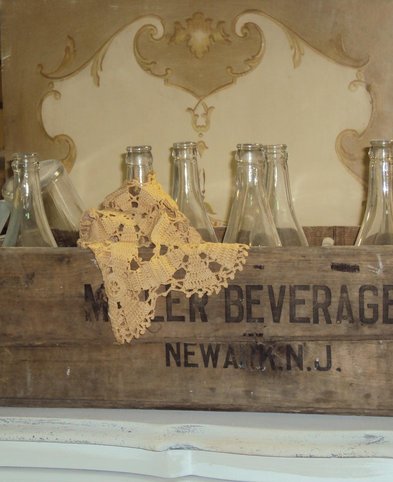
Senior DirectorA beat-up wooden crate is one of the most versatile pieces you can bring home, and it takes almost no work to make it shine.

You have probably been there: twenty minutes on a slot, your balance bleeding out in slow, painful increments while the player two seats over just triggered a 400x bonus. Same game. Same bet size. Completely different experience. Most people walk away muttering that the machine is rigged, or that the casino has it out for them personally. The truth is less dramatic and far more useful: you picked a game whose volatility doesn't match the session you were hoping for.
Understanding volatility is, without exaggeration, the single most valuable piece of knowledge a slot player can carry into a casino or an online lobby. It changes how you choose games, how you size your bets, and how you interpret a cold streak. Let's break it down properly.
Every slot has a mathematical profile built from its paytable, reel layout, and bonus mechanics. Volatility describes how that game distributes its payouts over time. It says nothing about whether you'll win — the return-to-player percentage handles that — but it tells you everything about how the wins will arrive.
Think of it as two vending machines that both return 96 cents per dollar inserted. One drops a candy bar every few presses. The other stays silent for fifty presses, then dumps a fistful at once. Same expected return, radically different emotional experience. That's volatility in a nutshell.
Here's a concrete example. Take a high-volatility slot with a 96.5% RTP and a maximum win of 20,000x. Over millions of spins, the house keeps 3.5%. But your 200-spin session is nowhere near a million spins. In a sample that small, variance dominates everything. A high-volatility game might legally give you a 65% return on a bad night — or 300% on a good one. The RTP is real; it just needs an enormous sample to express itself.
This is where players get burned. They read "96% RTP" and assume they'll lose roughly 4% per session. That's not how probability works. RTP is a long-run average across the entire game's lifetime, not a per-session promise. On high-volatility titles, the standard deviation on a few hundred spins is brutal.
If you're playing high volatility, you generally want a bankroll of at least 200–300 times your base bet to survive the dry spells long enough to reach the bonus rounds that actually pay. On low volatility, 50–100 times your bet is usually enough to keep spinning without panic. This one adjustment prevents more tilt-sessions than any "strategy" you'll read on a forum.
Slots are the loudest example, but the concept runs through every corner of iGaming. In blackjack, basic strategy produces low volatility — many small decisions, modest swings. Card counting pushes you into higher variance because you're betting big only in rare, favorable counts. That's a deliberate trade of short-term stability for long-term edge. For up-to-date information, visit OK68.
Poker is even more extreme. A cash-game grinder with a 3 big-blind-per-100-hands win rate is essentially a high-volatility slot with a positive RTP. Skilled players routinely endure 20,000-hand break-even stretches and still print money across a year. If you don't understand variance, you'll convince yourself you're a losing player and quit the game right before the numbers catch up.
Sports betting has the same trap. Pounding heavy favorites at -300 feels safe, but a single upset wipes out three wins. Betting underdogs at +400 cashes less often but survives a cold streak better. Your edge matters — but so does how you distribute your stake across outcomes.
Stop choosing games based on the theme. Start matching volatility to your intention for the session.
One more tip that matters more than any chart: set a hard stop-loss before you spin, and treat hitting it as a win. The biggest edge a casual player has over the casino isn't a system — it's the discipline to walk away while the balance is intact.
Volatility is neither your friend nor your enemy. It's just the shape of the risk you're signing up for. A player who understands it will lose the same amount of money on a bad night as someone who doesn't — but they'll sleep better, play longer on the same bankroll, and stop calling the game rigged when the truth is that they picked the wrong tool for the job. That small cognitive shift is worth more than any bonus round ever will be.
The container does half the work in dried floral arranging, and these five thrift store finds turn inexpensive stems into something gallery-worthy.

Stop fighting for symmetry and let your centerpieces look like they grew that way, with a few simple tricks.
Air drying, pressing, and silica gel each preserve flowers differently, and choosing the right method for each bloom makes all the difference.

An entryway table is the first thing guests see, and a few seasonal swaps keep it feeling fresh without a full redecorating project.

A beat-up wooden crate is one of the most versatile pieces you can bring home, and it takes almost no work to make it shine.

The container does half the work in dried floral arranging, and these five thrift store finds turn inexpensive stems into something gallery-worthy.
Copyright © 2026 Burlap And Bloom. All Rights Reserved.




Roseanne Williams
Sep 4, 2026 ReplyA simple, forgiving wreath project that pairs rustic burlap ribbon with airy dried baby's breath for a look that works from spring through fall.