Billy wallson
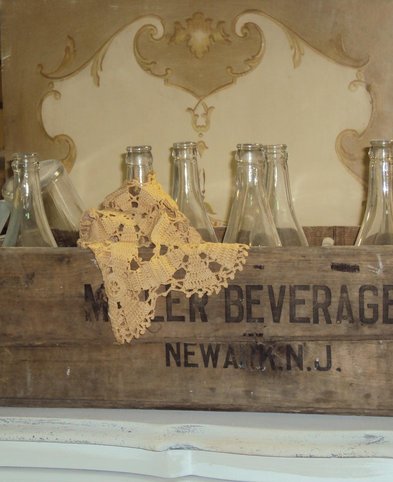
Senior DirectorA beat-up wooden crate is one of the most versatile pieces you can bring home, and it takes almost no work to make it shine.

Anyone who has spent more than five minutes in an online casino has heard the term "RNG." Random Number Generator. It gets tossed around in support chats, forum arguments, and affiliate reviews as if saying the acronym somehow explains everything about how a game behaves. It doesn't. In fact, most players have a deeply flawed mental model of how RNGs work, and that gap in understanding costs them money. Let's fix that.
A random number generator is not a magic drum spinning symbols in the cloud. It's a deterministic algorithm—usually something like a Mersenne Twister or a cryptographic PRNG—that produces a sequence of numbers designed to pass statistical randomness tests. The output looks random to you. But that's the point: the seed and algorithm are designed to appear random while being entirely predictable if you know the input.
Here's the part that trips people up. In most modern slots and instant-win games, the RNG runs thousands of times per second—before you even press the spin button. Your press simply tells the software "grab the next number in the queue." This means the outcome you receive was already determined the moment before you clicked. No amount of "timing" your spin, holding the button, or staring at the reels changes anything. Slot machines have been resistant to these tactics since the mechanical era, and digital ones are even more stubborn.
One concrete stat worth remembering: a typical 5-reel video slot with 243 paylines might have more than 100 million possible outcomes. The RNG space is vast, but it is finite. Every symbol combination has a defined probability. Casinos don't need to rig individual sessions—they just need the mathematical edge baked into the paytable, and over millions of spins, that edge prints money.
Every regulated online slot publishes two critical figures, and most players skip right past them. A good place to continue is สล็อตเว็บตรง.
Here's the practical takeaway: a 97% RTP slot with low volatility is great for grinding bonuses and clearing wagering requirements. A 94% RTP high-volatility slot is a lottery ticket. Both are "fair," but they serve completely different purposes. Matching volatility to your bankroll and goal is a far better strategy than chasing the highest RTP alone.
Similarly, table game players should know the house edges cold. European roulette: 2.7%. American roulette: 5.26%—the double zero is brutal. Blackjack with basic strategy: around 0.5%, one of the best bets in the building. Baccarat banker bet: 1.06%. These numbers are the real battlefield, not the flashy graphics.
Poker occupies a strange space in iGaming. It's the only mainstream game where you play against other people, not the house. The house takes a rake—a small percentage of each pot—and otherwise leaves you alone. This means the casino's edge in poker is fixed and transparent, and your actual edge comes from your opponents' mistakes.
This is why poker strategy content exists in a way that slot strategy content simply cannot. There is no "strategy" to beat a fixed RNG slot. There is absolutely strategy to beat a weak poker table. Three quick principles for anyone moving from slots to poker:
Promotional offers are where iGaming operators show their true colors. A "100% up to $500" welcome bonus sounds generous until you read that it carries a 40x wagering requirement on the bonus amount, contributes only 10% from table games, and expires in seven days. Suddenly that bonus is a liability, not a gift.
Before claiming any bonus, answer these questions:
If a bonus fails any three of those checks, in my experience, you're better off playing without it. A clean deposit with no strings attached beats a flashy bonus that locks your withdrawals behind impossible conditions.
Let's talk about the thing nobody writes about because it hurts affiliate revenue: most people who gamble regularly will lose money over time. That is not a moral failing. It is arithmetic. The house edge guarantees it across a large enough sample. The only defense is setting hard limits and treating gambling money as spent entertainment, not investment capital.
Concrete rules that actually work:
The iGaming world is not a rigged carnival game, and it is not a generous ATM either. It's a mathematical ecosystem where the house holds a small, persistent edge across almost every product, and the players who consistently do well are the ones who understand that edge and choose their games accordingly. Learn the RTPs, respect the variance, read the bonus terms, and never confuse a hot streak with a strategy. The RNG doesn't care about your feelings. Neither, ultimately, does the payout schedule.
The container does half the work in dried floral arranging, and these five thrift store finds turn inexpensive stems into something gallery-worthy.

Stop fighting for symmetry and let your centerpieces look like they grew that way, with a few simple tricks.
Air drying, pressing, and silica gel each preserve flowers differently, and choosing the right method for each bloom makes all the difference.

An entryway table is the first thing guests see, and a few seasonal swaps keep it feeling fresh without a full redecorating project.

A beat-up wooden crate is one of the most versatile pieces you can bring home, and it takes almost no work to make it shine.

The container does half the work in dried floral arranging, and these five thrift store finds turn inexpensive stems into something gallery-worthy.
Copyright © 2026 Burlap And Bloom. All Rights Reserved.




Roseanne Williams
Sep 4, 2026 ReplyA simple, forgiving wreath project that pairs rustic burlap ribbon with airy dried baby's breath for a look that works from spring through fall.