Billy wallson
Senior DirectorA beat-up wooden crate is one of the most versatile pieces you can bring home, and it takes almost no work to make it shine.
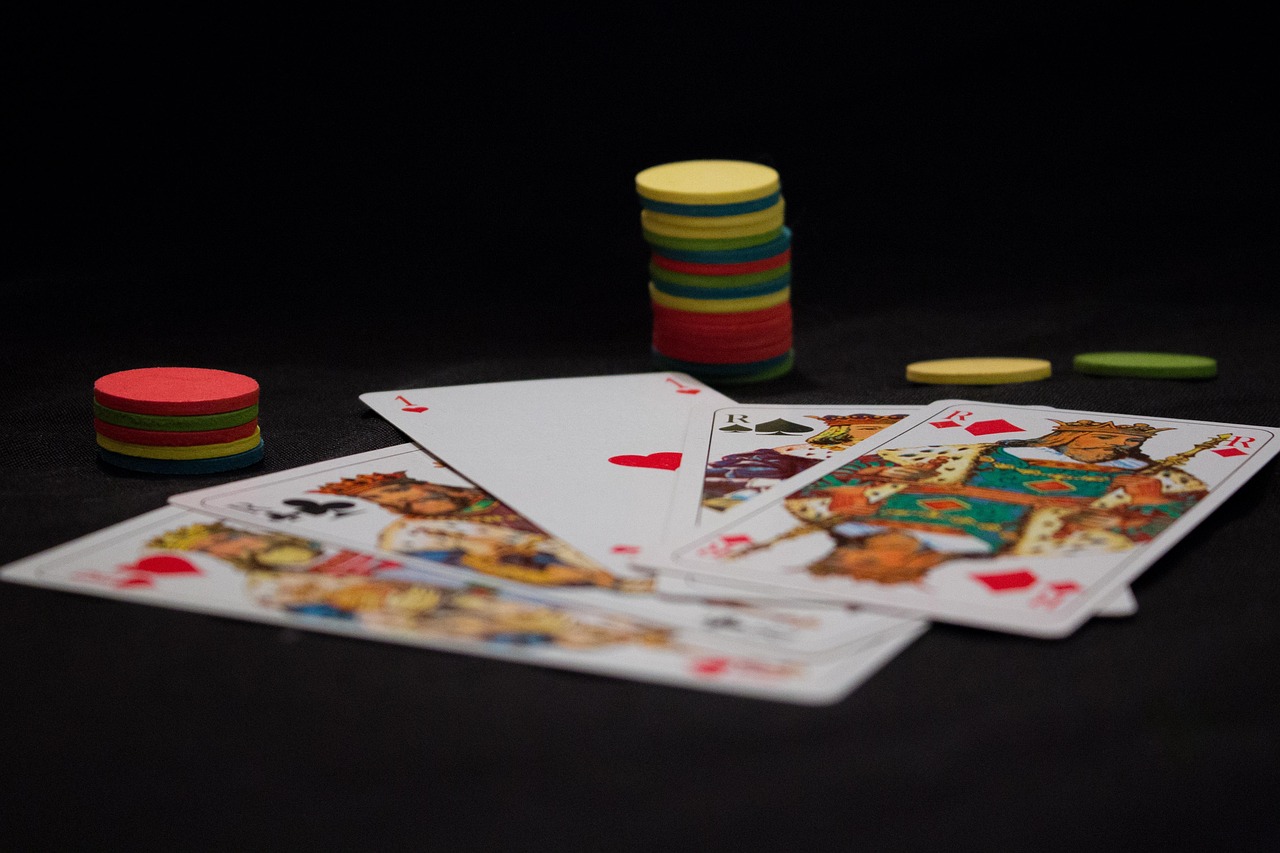
The first time you sit at a real poker table, the felt feels different. The chips click louder. Every decision carries weight. That same intensity now lives online, where you can fire up a slot, place a live bet, or join a multi-table poker tournament in seconds. But with easy access comes a harsh truth: most players lose because they treat iGaming as pure luck. The ones who last—the grinders, the sharps, the semi-pros—treat it as a skill game wrapped in randomness. This isn't about gimmicks or “guaranteed systems.” It's about understanding the machinery behind the fun so you can make sharper choices, stretch your bankroll, and actually enjoy the ride.
Every game you touch has a mathematical edge baked in. Online slots typically return 94–97% to players over millions of spins, meaning the house keeps 3–6%. Blackjack with basic strategy can drop the house edge to 0.5% or less. Roulette? European single-zero sits at 2.7%, while American double-zero jumps to 5.26%. These numbers aren't opinions; they're published in game rules and regulator reports. Smart players don't fight the edge—they choose where it's smallest and pair it with disciplined bet sizing. If you bet $1 per spin on a 96% RTP slot, you're expected to lose 4 cents per spin long-term. That's the cost of entertainment. The mistake is chasing those 4 cents with panic bets after a cold streak. สล็อตเว็บตรง is a solid starting point for anyone new to this.
Ask any poker pro what separates winners from broke dreamers, and they'll say bankroll management before strategy. The same applies to casino and sports betting. Here's a simple framework that keeps you in the game:
Data from responsible gambling studies shows that players who set time and money limits are 3x less likely to report gambling harm. That's not about being boring—it's about staying in control so you can actually enjoy the wins.
Slots are the most misunderstood game in iGaming. Two machines can look identical but behave completely differently. The key metrics are RTP (return to player) and volatility. High-volatility slots like Book of Dead or Bonanza pay rarely but can explode for 5,000x your stake. Low-volatility games like Starburst pay often but small. Neither is “better”—they suit different bankrolls and personalities. What's a myth? The idea that a slot is “due” for a jackpot because it hasn't paid in an hour. Random number generators (RNGs) have no memory. Every spin is independent. The only real levers you control are bet size, session length, and game selection. My rule: pick slots with RTP above 96%, avoid “bonus buy” features unless you understand the math, and never chase losses by maxing out your bet.
If you bet on football, basketball, or tennis without comparing odds across at least three sportsbooks, you're leaving money on the table. A $100 bet at -110 odds returns $190.91. The same bet at +105 returns $205. Over 200 bets a year, that difference is thousands. Smart bettors also track closing line value—did the line move in your favor after you bet? If you consistently beat the closing line, you're likely a long-term winner. That's the sharpest metric in sports betting, more reliable than your win-loss record. And forget parlay lottery tickets. Correlated parlays are fun, but straight bets or small teasers are where disciplined bettors grind profit.
Poker is the only major iGaming vertical where a skilled player can achieve a positive expected value (EV) over time. But “skilled” doesn't mean knowing what beats what. It means:
Online poker tracks every hand via hand-history software. Reviewing your sessions—especially the losing ones—is where the real improvement happens. Most recreational players never do this, which is exactly why the top 5% consistently win.
You can memorize odds charts and GTO ranges, but if you go on tilt after a bad beat, you'll give it all back. Tilt is the enemy. It looks like doubling your bet on a slot after 20 dead spins, betting your entire bankroll on a “lock” parlay, or shoving all-in with ace-high because you're frustrated. The fix is simple but hard: take a 10-minute break after any significant loss, set a hard stop on alcohol while playing, and never play to “win back” what you lost. The house has infinite time. You don't.
iGaming isn't a get-rich-quick scheme. It's a form of entertainment with a cost, and for a small percentage of disciplined players, a side income. The difference between a frustrated loser and a satisfied player isn't luck—it's preparation, limits, and game selection. Choose games with transparent odds. Track your results honestly. Treat every session as a data point, not a verdict on your intelligence. And when you win? Cash out a portion immediately. The thrill of a big score fades fast if you give it all back by midnight. Play smart, stay curious, and respect the math. That's the real iGaming edge.
The container does half the work in dried floral arranging, and these five thrift store finds turn inexpensive stems into something gallery-worthy.

Stop fighting for symmetry and let your centerpieces look like they grew that way, with a few simple tricks.
Air drying, pressing, and silica gel each preserve flowers differently, and choosing the right method for each bloom makes all the difference.

An entryway table is the first thing guests see, and a few seasonal swaps keep it feeling fresh without a full redecorating project.

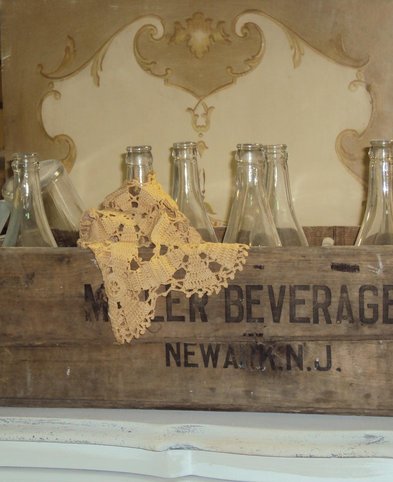
A beat-up wooden crate is one of the most versatile pieces you can bring home, and it takes almost no work to make it shine.

The container does half the work in dried floral arranging, and these five thrift store finds turn inexpensive stems into something gallery-worthy.
Copyright © 2026 Burlap And Bloom. All Rights Reserved.




Roseanne Williams
Sep 4, 2026 ReplyA simple, forgiving wreath project that pairs rustic burlap ribbon with airy dried baby's breath for a look that works from spring through fall.