Billy wallson
Senior DirectorA beat-up wooden crate is one of the most versatile pieces you can bring home, and it takes almost no work to make it shine.
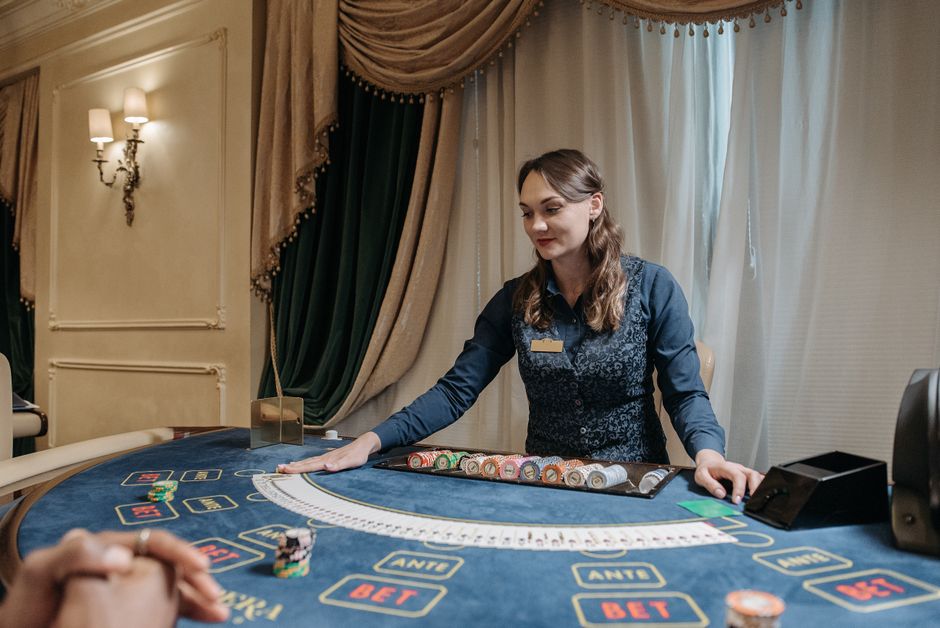
You’ve seen the flashy ads. The guy in the tailored suit high-fiving a dealer after a miracle run at the blackjack table, or the streamer turning a $50 deposit into a five-figure payout on a bonus buy. It looks effortless. But here’s the uncomfortable truth: the vast majority of players who dive into iGaming without a plan don’t end up like that. They end up wondering where their bankroll went.
I’ve been around this industry long enough to separate the noise from the signal. And the reality is that success in casino, betting, and poker isn’t about luck—it’s about understanding the mechanics, managing your psychology, and knowing exactly where the smart money goes. Let’s break down what actually matters if you want to be more than just a statistic.
Every game you play has a house edge. That’s not a scam; it’s the business model. In European Roulette, the edge is 2.7% because of that single zero. In American Roulette, it doubles to 5.26% because of the extra double zero. If you play blackjack with perfect basic strategy, the house edge can drop to around 0.5%. Play slots, and the edge can range from 2% to 15% depending on the machine and the jurisdiction. สล็อตเว็บตรง goes into the finer points.
Why does this matter? Because if you don’t know the edge, you can’t estimate your expected loss over time. If you sit at a slot machine with a 6% house edge and a $5 spin, you’re mathematically expected to lose 30 cents per spin. Over 500 spins, that’s $150 gone—on average. Understanding this doesn’t ruin the fun; it makes you realistic. The goal isn’t to beat the math every session. The goal is to survive long enough to catch the variance when it swings in your favor.
Slots are the moneymaker for casinos, and they’ve evolved far beyond the three-reel mechanical monsters of the 1980s. Modern video slots are complex beasts with multiple paylines, bonus rounds, and wild mechanics. But the single most important factor—the one most players ignore—is volatility.
My rule: match volatility to your bankroll. If you’re playing with $50, stick to low-volatility slots and smaller bets. If you have $500 and nerves of steel, high-volatility slots might give you a shot at a life-changing win. Never chase a high-volatility slot with rent money.
Poker is fundamentally different from casino games because you’re not playing against the house—you’re playing against other players, and the house takes a rake. This means you can actually have a long-term edge if you’re better than your opponents. But here’s the catch: most poker players think they’re better than they are.
In Texas Hold’em, the top 10% of players consistently win, while the bottom 90% lose or break even. To join that top tier, you need more than a lucky streak. You need to understand position, pot odds, range analysis, and—most critically—emotional control. Tilt is the silent bankroll killer. I’ve seen players who can calculate equity in their sleep throw it all away because they got rivered and went on a revenge spree.
If you’re serious about poker, start at the micro stakes online. Track every session using software like PokerTracker or Hold’em Manager. Review your biggest losses. Were they bad beats, or did you misplay? The difference will teach you more than any YouTube tutorial.
Ask any professional gambler what the single most important skill is, and they’ll say bankroll management. It’s boring. It’s unglamorous. And it’s the reason they’re still in the game while others bust out.
Here’s a simple framework you can use today:
Discipline here is what separates hobbyists from semi-pros. The math doesn’t care how good you feel. Protect your capital.
Sports betting is a different animal. You’re not playing a random number generator; you’re predicting outcomes. The key concept is expected value (EV). A positive EV bet is one where the probability of winning multiplied by the payout exceeds the probability of losing multiplied by the stake.
Example: You think Team A has a 55% chance to win, and the odds are +150 (implying a 40% chance). That’s a positive EV bet. Over time, if your probability estimates are accurate, you’ll profit. The problem is that most bettors overestimate their predictive powers. They bet on favorites because it feels safe, not because the odds offer value.
To win at betting, you need to specialize. Pick one or two leagues or sports. Follow them obsessively. Read injury reports, track travel schedules, understand referee tendencies. The edge is in the details, not in gut feelings. And always, always shop for the best line. A half-point difference in a spread can be the difference between profit and loss over a season.
Finally, never forget that iGaming is designed to be addictive. The lights, the sounds, the near-misses—it’s all engineered to keep you playing. The dopamine hit from a win is powerful, but the crash from a loss is equally real.
Set time limits. Take breaks. If you feel yourself chasing losses, stop immediately. No strategy, no system, no “sure thing” is worth your mental health. The most successful players I know treat gambling like a business—calculated, cold, and unemotional. They celebrate wins quietly and analyze losses without self-flagellation.
Ultimately, the reality check is this: you’re not going to get rich quick. But with the right knowledge, bankroll discipline, and a healthy dose of skepticism, you can enjoy iGaming without becoming another cautionary tale. The house always has an edge, but you can still be one of the few who walks away with more than just a story.
The container does half the work in dried floral arranging, and these five thrift store finds turn inexpensive stems into something gallery-worthy.

Stop fighting for symmetry and let your centerpieces look like they grew that way, with a few simple tricks.
Air drying, pressing, and silica gel each preserve flowers differently, and choosing the right method for each bloom makes all the difference.

An entryway table is the first thing guests see, and a few seasonal swaps keep it feeling fresh without a full redecorating project.

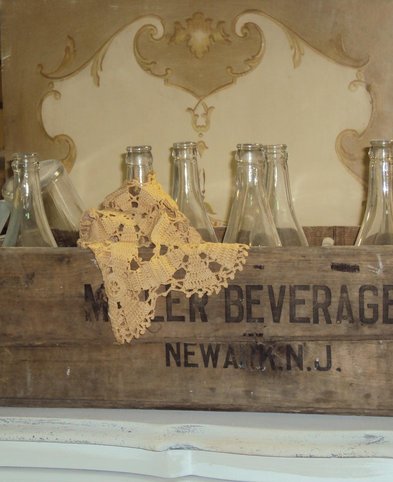
A beat-up wooden crate is one of the most versatile pieces you can bring home, and it takes almost no work to make it shine.

The container does half the work in dried floral arranging, and these five thrift store finds turn inexpensive stems into something gallery-worthy.
Copyright © 2026 Burlap And Bloom. All Rights Reserved.




Roseanne Williams
Sep 4, 2026 ReplyA simple, forgiving wreath project that pairs rustic burlap ribbon with airy dried baby's breath for a look that works from spring through fall.